This weekend, I made a disaster out of a recipe for my bread machine.
I know the recipes by heart and all the steps to make a perfect loaf of bread in my bread machine.
But I was in a hurry and distracted by other things on my to-do list when I combined the ingredients in the machine and quickly turned it on.
A little over two hours later, when I checked on the progress of the loaf before the final baking cycle was to start, instead of seeing a moist rising loaf of bread ready for the baking cycle, I spied a twisted blob of dough that hadn’t risen and was for sure to be inedible when baked.
In my haste, I failed to focus on what I was doing, resulting in a thick, doughy lump of wasted effort.
What does this have to do with home renovations? I’m glad you asked.
This post contains affiliate links that help to support this blog at no additional cost to you.
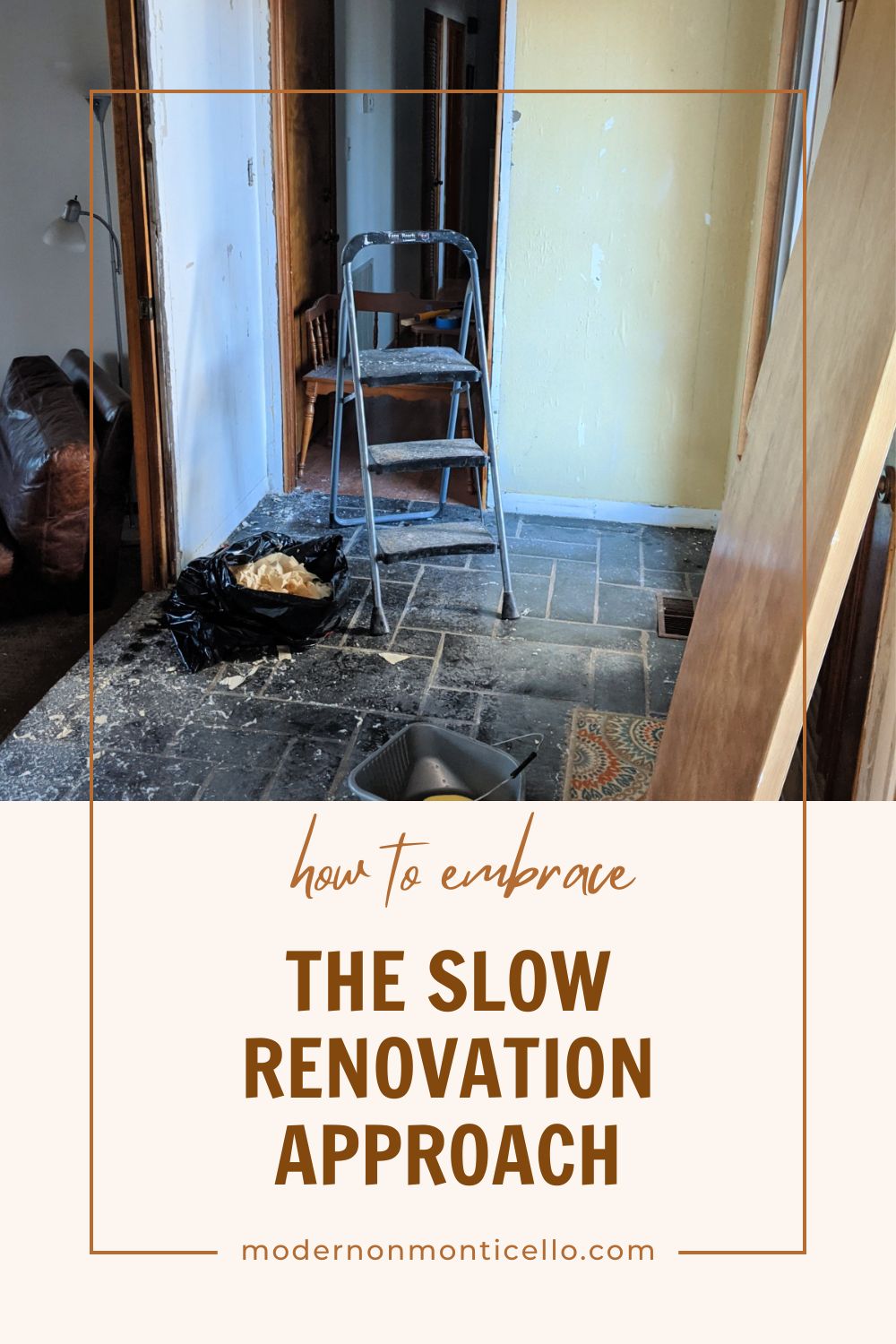
Rushing through a home renovation project can have a similar outcome.
Instead of a well-planned and functional space, you end up with a room that doesn’t work as intended and may not even be decorated in a style you like in six months.
So you don’t end up using the room at all.
In a society where our Pinterest feeds are filled with instant before and afters at our fingertips, it can be frustrating when areas of our homes aren’t finished and social media ready at all times.
Despite my current frustrations with delays in our renovation plans for this year, the benefits we have received by embracing the slow renovation process far exceed the quick-fix method of interior design.
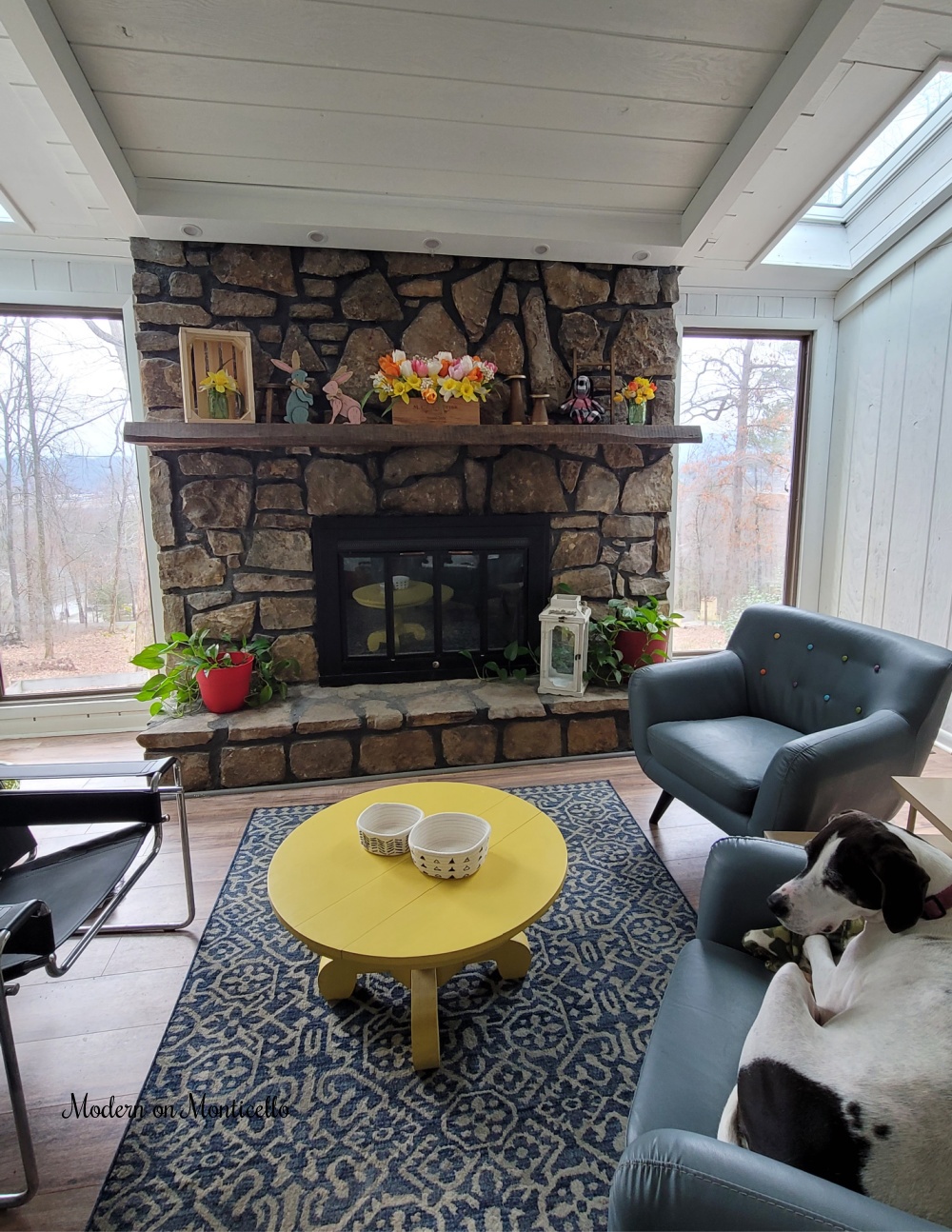
As I usually do, I started this year with a detailed and ambitious plan.
We were going to finally tackle two separate bedroom renovations before moving on to some extensive landscape improvements outside. While being hopeful and optimistic that we could tackle some necessary exterior work on our house this year as well.
There are bills that I want to pay off early, maintenance work on the vehicles that should be taken care of, and small projects for the RV before we take it out for the first trip this Spring. I also have some big aspirations for my business that I want to achieve.
We’re less than two months into the new year, and our plans have been delayed. Whether I can blame one of our HVAC systems for not heating properly during the coldest days of the year or an inexperienced young driver who crossed the double yellow line and side-swiped my husband’s truck, delays are inevitable and frustrating.
Like an old friend, the slow renovation approach is a constant reality of our lives.
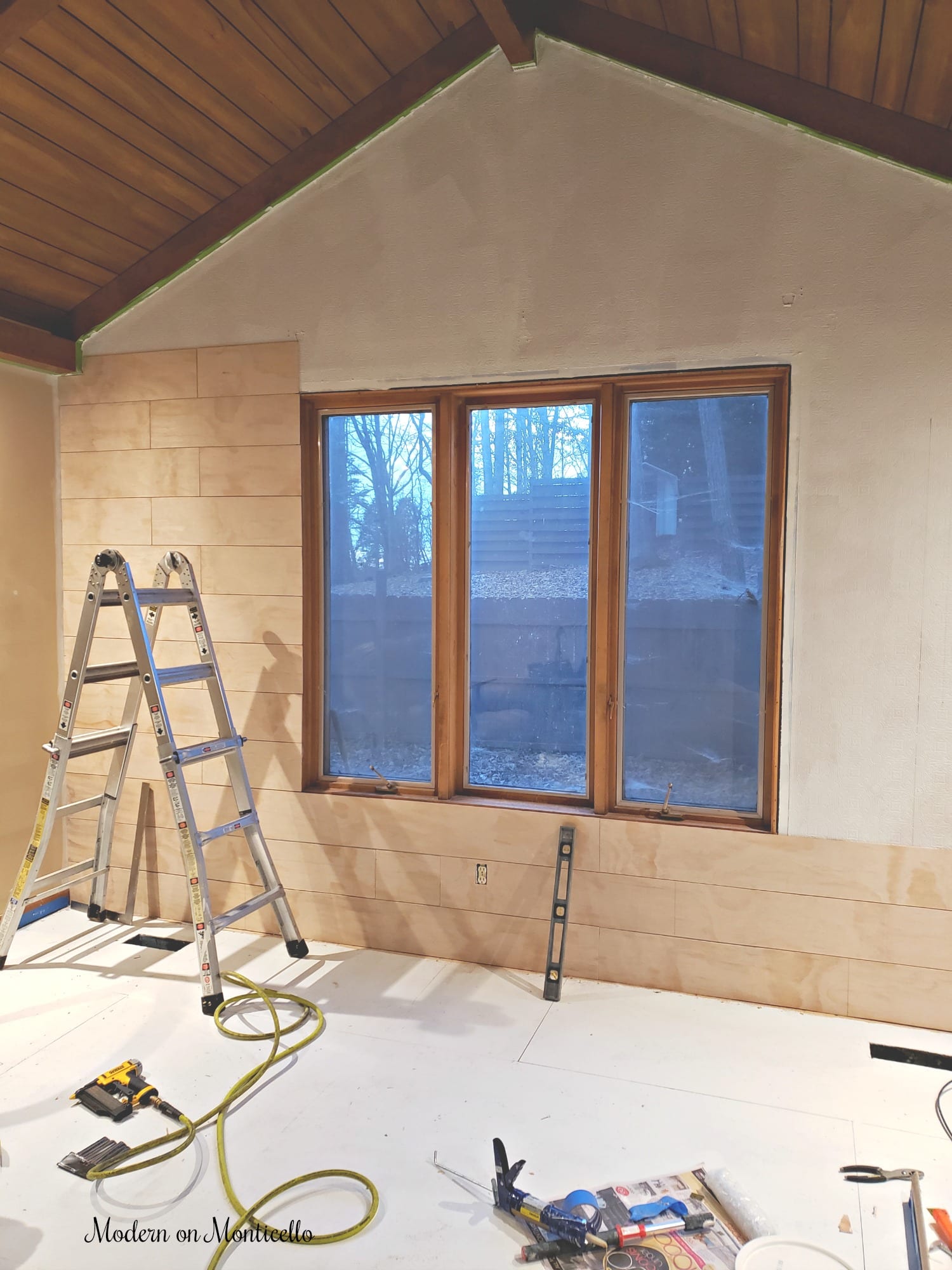
Slow renovating has also been a blessing in disguise.
Like many DIYers, we often find ourselves short on time and budget. But without the necessary slow renovation process, we would have made so many design mistakes in this house.
Slow renovating is a lifestyle choice.
It is about taking an intentional, slower approach to transforming a home. It allows us to appreciate every step of the process, reevaluate the small details, be more mindful of the big decisions, and create a home that tells our unique story.
As our home renovation story continues to unfold even after seventeen years in our dream house, below are the lessons we have learned over and over again.

1. Taking renovations slower reduces mistakes on fads and trends.
A great house takes time—and patience.
And you will change your mind a lot during the process.
Instead of rushing through a room renovation following the current popular trend or style, I have been allowed to live in my home with kids and as an empty nester, realizing that each room’s long-term needs and requirements have evolved and changed with us.
We are fortunate to live in a custom home with a unique style to honor. Fads and trends just don’t look and feel right against the unique backdrop of a mid-century-inspired home. Every decision about renovating and updating this home requires us to honor the original architecture while bringing it to a new level of interior design that embraces the past and the future.
It can’t be a quick-fix effort.


If I had completed one of my first visions for the upstairs guest room four years ago when our daughter moved out, we would now require a second renovation to accommodate the grandkids. The new design vision we are starting this year has been planned to beautifully combine both needs.
This forced slow renovation pace has given me a greater understanding of how we need to use each space going forward.
Better choices have been made in flooring and fixtures that will outlast our time in this house.
Trends come and go, but by slowly curating our home, we’re creating a home that is authentic to us and our needs without costly future changes.

2. A slow renovation is more cost-effective.
We often had to practice the lost art of saving up for more significant expenses, like flooring, instead of accepting a lesser substitute for a quick fix.
In seventeen years, we have refinanced our mortgage only twice to cover the more considerable renovation expenses, such as the new roof, replacing all the windows, and building out the sunroom four years ago.

As a result, our current mortgage is almost a third of what the homes in our neighborhood have sold for in the last year.
The temptation to use part of that equity to finish the basement or renovate the kitchen is strong. Then I remind myself that we are not ready to do that part of the renovations yet, and I don’t want the larger monthly payment now, either.
So, I will continue to take deep breaths, save money, and wait.

3. A slow renovation gives us time to curate a more personalized home.
Waiting through longer delays between purchases has made me more deliberate about every object I bring into my home.
More often, the small details create the uniqueness of interior design in a home.
In the last few projects, I have allowed myself time to select and study each room’s new paint color carefully, how it looks in both daytime and nighttime lighting, and how it contributes to the overall cohesive flow of the entire house, not just the effect it has in that one room.
One true example is the vintage-style bathroom renovation we completed last year.
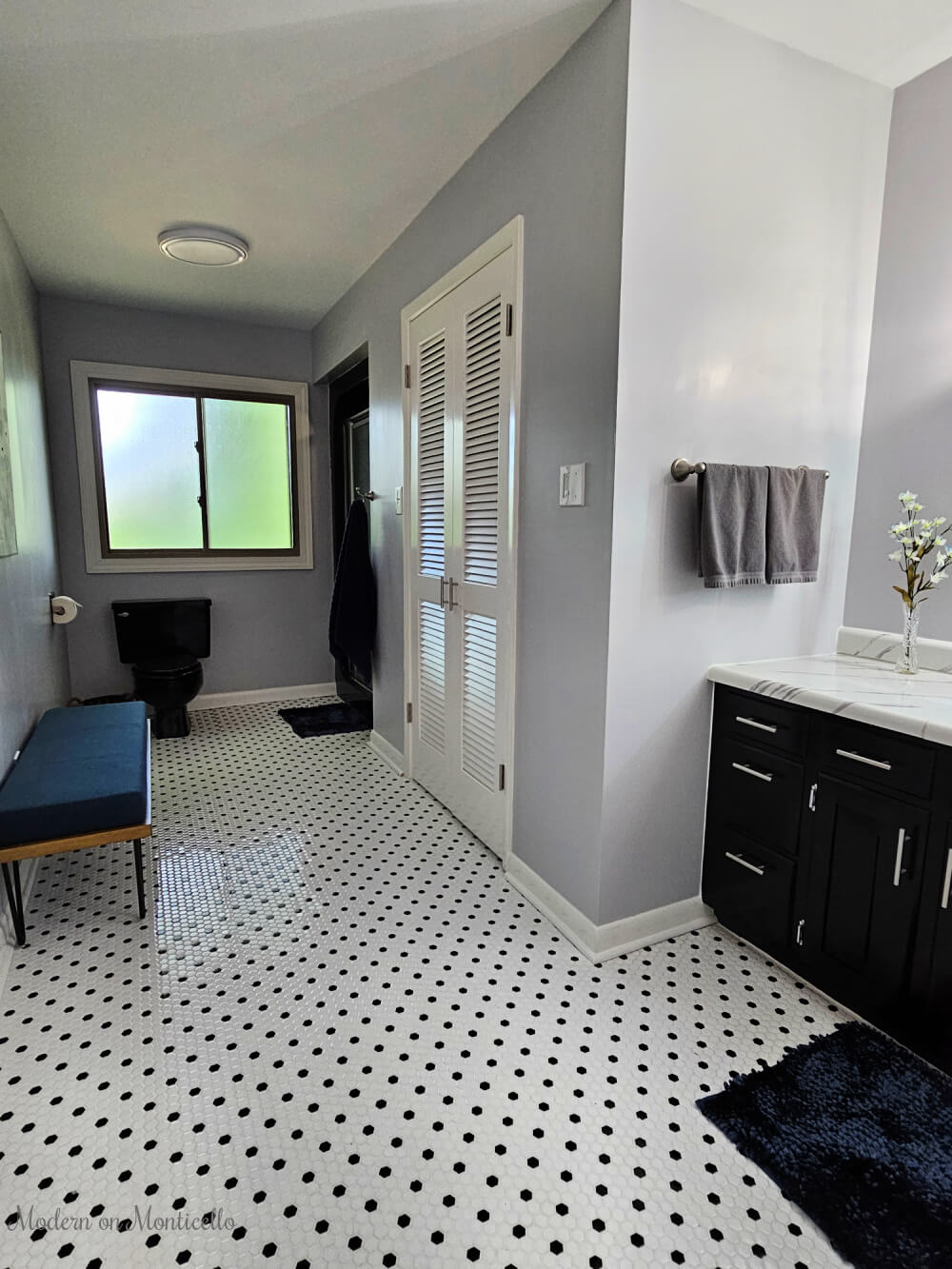
For years, I wanted to install a cottage-inspired basket-weave tile. Then, I considered the large Moroccan tiles that have become so beautiful and trendy in the last few years.
However, when we finally started the project, I knew the vintage hexagon small tiles were the best choice for a timeless classic look. Waiting until I could purchase the perfect ceramic tile for the room saved me from the regret of the quick, short-lived thrill of the wrong decision.

Taking things slower also means indulging my love for thrift stores and estate sales.
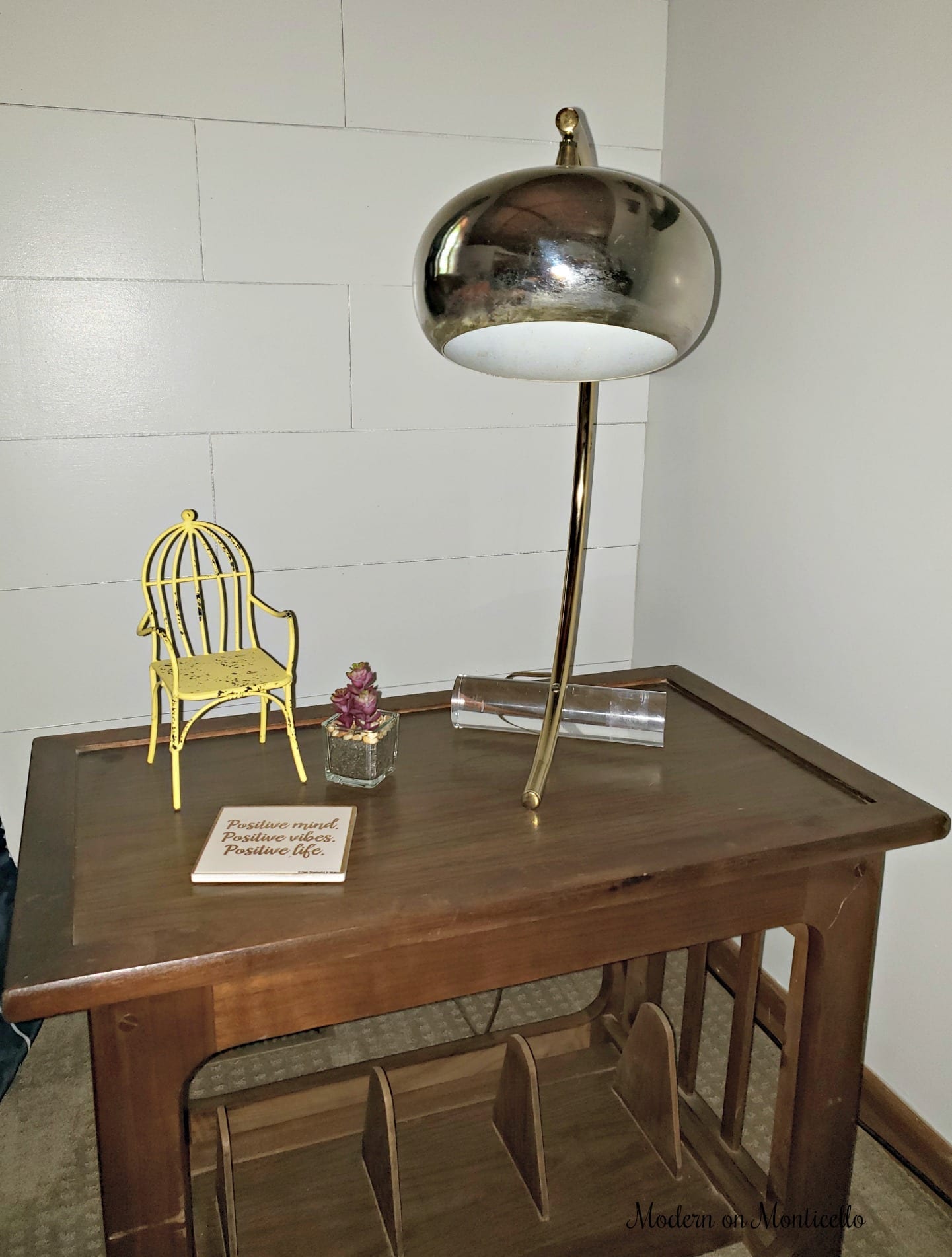
I have spent purposeful, quality time searching for and updating gently used furniture. I love sharing the history of so many beloved pieces in my home, what they cost, and what I did to give them a second chance.
You can’t experience the same satisfaction when you purchase something because it is a popular trend or you buy something quickly to make do.
4. Enjoy the experience.
Every little change we make brings us a step closer to our vision.
And remembering those small moments of success motivates us to continue.
Like the excitement felt after painting over dark trim and marveling at the difference it makes, or when one more popcorn texture was scrapped off a dingy ceiling.
And yes, it will be exciting when I finally find the perfect media stand for the living room.
Looking back at what some of these rooms looked like when we moved in compared to now is part of the story. When we tell the story, the frustrations have faded into learning experiences, teachable moments, and joy at the outcome.
5. DIY is not for the faint of heart.
DIY can be messy, chaotic, frustrating, exhilarating, and teaching at all the same time. There are jobs I have enjoyed, and those I will never do again.
It can be full of life lessons, stretch you to your limits and abilities, and create the most pride-filled moments of owning a home. It is a good feeling to say, “I did that!”.
This truth gets lost in the flash and glamour of the one-episode quick makeovers. But as long as we continue to live in this dream home, we will slowly renovate it, one project, one room, one day at a time.

6. Slow renovating is worth it.
Great homes take time. Period. Time that you won’t regret investing in a slower approach. It can be an ideal way to achieve a home that works best for you, one project at a time.
Sometimes, I allow my frustration to lead me to scan through the realtor apps and fantasize about purchasing a home that doesn’t need anything but paint!
I wonder if I would get bored without constant DIY projects. I’m not sure what my answer would be. I have never tried that approach.
This week, the HVAC repairman stopped talking mid-sentence about what was wrong with our HVAC system to tell me he loved our house.
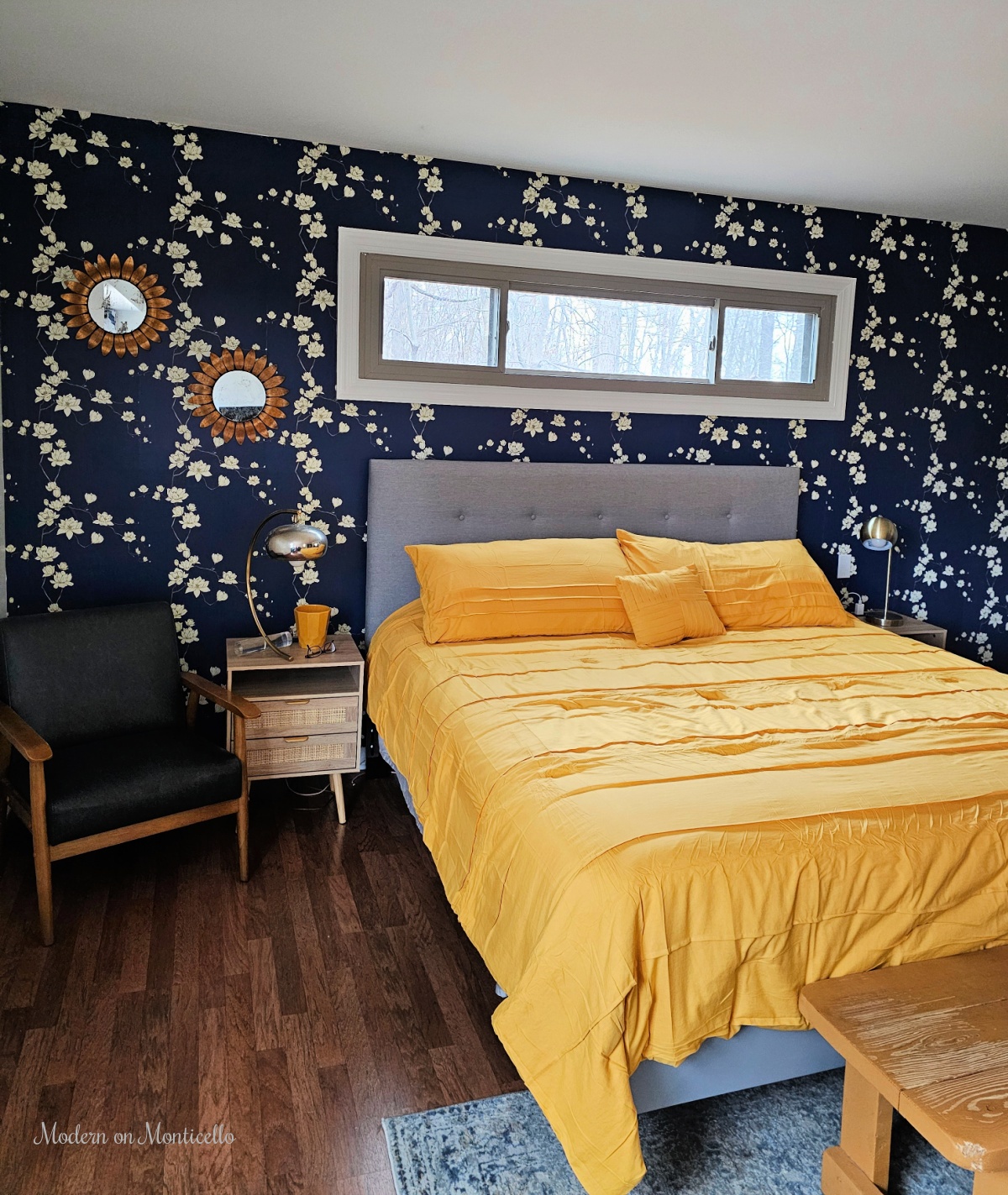
Instead of my usual apologetic response about the missing trim in the kitchen and the damage the squirrels are causing in the garage attic, I just smiled and said “Thank you. It’s a work in progress?”
Hugs,

John 16:33 “I have told you these things so that in me you may have peace. You will have trouble. But take heart! I have overcome the world.'”
More posts to enjoy:
How to clean your house before selling
A Different Point of View for Father’s Day